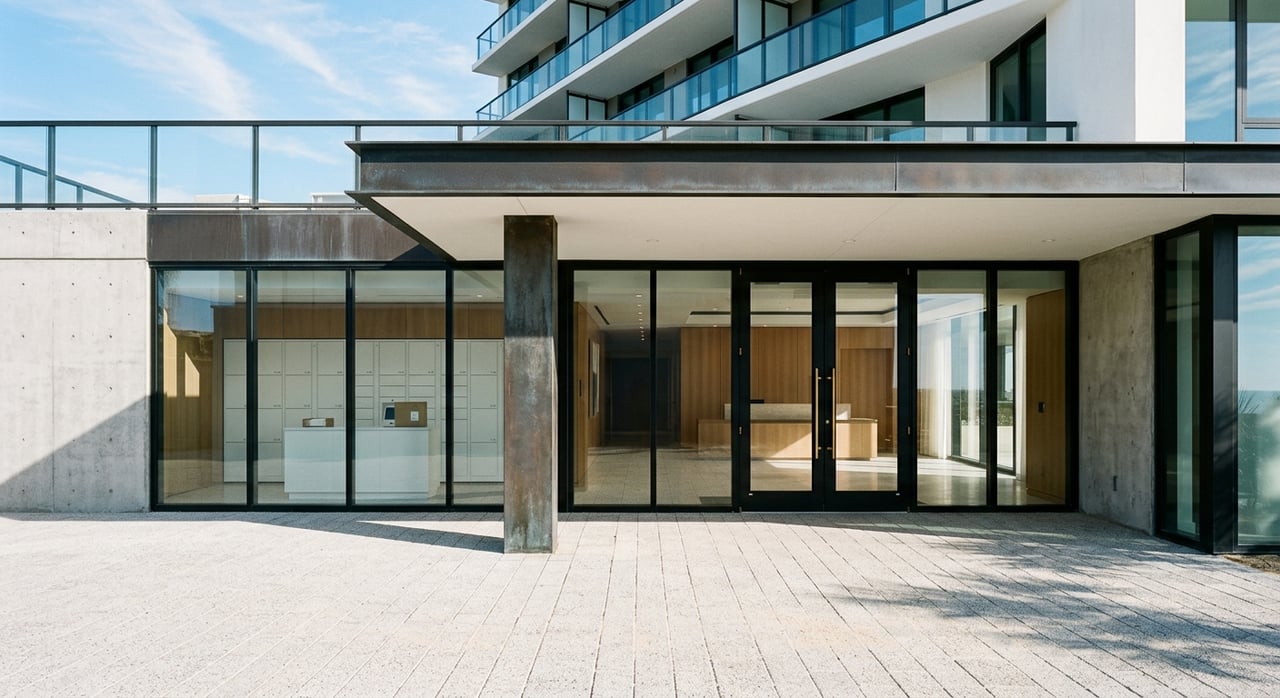
Renting Out Your Clearwater Beach Condo Responsibly
May 21, 2026
May 21, 2026
Renting out a condo on Clearwater Beach can look simple at first. You have a desirable location, strong rental interest, and the potential for steady income. But if you want that income to be sustainable, you need more than a listing and a lease. You need a plan that respects city rules, condo requirements, and the financial realities of ownership. This guide walks you through the key steps so you can rent your condo more responsibly and with fewer surprises. Let’s dive in.
Before you market your condo, make sure the rental term fits local rules. In Clearwater residential districts, rentals shorter than 31 days or one calendar month are not allowed. That means owners may advertise monthly rentals, but not daily or weekly rentals.
For many Clearwater Beach condo owners, that makes a monthly or longer lease the practical baseline. It is also smart to confirm that your condo’s zoning and governing documents support the type of rental you want to offer. A great location does not override local restrictions.
A written lease gives you more control and fewer gray areas. Under Florida law, if a lease does not state a term, it may be treated as a tenancy at will based on the rent payment schedule. That can create avoidable uncertainty if your expectations and your tenant’s expectations do not match.
Florida also sets notice periods for ending certain tenancies. For example, month-to-month tenancies require 30 days’ notice to terminate, while year-to-year tenancies require 60 days’ notice. A clearly written lease helps you define the rental period from the start and avoid relying on default rules.
When you rent out a Clearwater Beach condo, your association documents are not optional reading. Florida condo law requires owners, tenants, guests, and associations to comply with the declaration, bylaws, and related governing documents. Those documents are considered part of the lease, even if you do not spell out every rule inside the agreement.
This affects day-to-day living in real ways. Parking, move-in procedures, pet policies, amenity access, application steps, and guest rules may all be controlled by the association. If your tenant violates those rules, the association may levy fines and may suspend certain use rights after notice and a hearing.
Some condo associations require lease approval before a tenant can move in. If the declaration or bylaws allow approval, the association may disapprove a proposed lease in certain situations, including when the owner is delinquent in assessments. That means timing and paperwork matter.
Florida law also limits certain transfer fees when approval is required and the governing documents authorize the fee. The current cap is $150 per applicant, and the association cannot charge that fee again for a same-tenant renewal. If the documents allow it, the association may also require a security deposit of up to one month’s rent.
These details can affect both your timeline and your cash flow. Reviewing them before you list helps you set realistic expectations for yourself and your future tenant.
If you own a condo, association payments are part of your rental planning, not a separate issue. Florida law allows an association to demand that a tenant pay rent directly to the association if the owner is delinquent on amounts owed. That continues until the owner’s obligations are cured.
That can disrupt your income stream and create an uncomfortable experience for everyone involved. If you want a smoother rental process, staying current on assessments should be treated as a core operating expense.
Clearwater requires a residential rental business tax receipt for residential properties being rented to tenants. The city also notes that residential rentals are only allowed in certain areas. This is another reason to confirm local eligibility before you advertise.
If you live out of state, there is another key requirement. Clearwater says out-of-state owners must keep a local representative on file, with a working local phone number and a local address in one of the listed regional counties. For absentee owners, this is an important part of responsible oversight.
Not every person using the title “property manager” is handling rental activity in the same legal way. Under Florida law, renting or negotiating the rental of another person’s real property for compensation falls within the broker definition. The same section also covers people who advertise rental property information or lists.
That is why it is smart to verify any manager, agent, or company in the Florida DBPR license search before signing an agreement. This step matters even more if you will rely on someone else for tenant placement, lease negotiation, or ongoing compliance.
For many owners, licensed help adds structure and accountability. It can also help reduce missed steps around association paperwork, city requirements, and rental timelines.
A responsible rental strategy looks past the top-line rent number. Rental income is taxable, and the IRS says deductible rental expenses can include mortgage interest, real estate taxes, maintenance, utilities, insurance, and depreciation. For condos, dues or assessments tied to maintenance of common elements may be deductible, while special assessments for improvements are generally not deducted as current rental expenses and may instead be recovered through depreciation.
Vacancy also needs to be part of your plan. Carrying costs do not stop just because the unit is temporarily empty. The IRS notes that depreciation continues even while a property is idle, so your budget should account for turnover time, repairs, and unoccupied months.
Even though Clearwater residential districts generally point condo owners toward monthly rentals, some owners may still need to understand tax thresholds for shorter occupancies where legally applicable. In Pinellas County, rentals of six months or less require the owner to register for a tourist development tax account, collect the tax, and remit it. Pinellas lists that tax at 6%.
The county also notes that a contracted agent or registered platform should collect and pay when applicable, but if that does not happen, the owner remains responsible. Florida also treats transient rentals as subject to state sales tax and discretionary sales surtax, while a bona fide written lease for continuous residence longer than six months is not subject to the transient rentals tax.
This is one of the clearest examples of why lease structure matters. The length and form of the rental arrangement can affect not only operations, but also tax treatment.
If you are treating your Clearwater Beach condo as an investment, look beyond today’s rent and today’s dues. Florida law requires residential condo associations for buildings three stories or higher to complete a structural integrity reserve study at least every 10 years. For budgets adopted after December 31, 2024, required reserve items generally may not be underfunded.
For owners, that matters because reserve pressure can lead to higher dues or special assessment pressure over time. Those building-level costs can influence profitability, pricing, and how attractive your rental remains in the market.
Before you list your condo for rent, it helps to slow down and verify the basics. A short compliance check now can save you from expensive mistakes later.
Here is a practical checklist to work through before marketing the property:
Responsible renting is not just about following rules. It is about protecting your condo, your income, and your long-term flexibility as an owner. When your lease terms, association compliance, local registrations, and budgeting all work together, you are in a stronger position to avoid disruption.
That matters in a market like Clearwater Beach, where condo ownership can blend lifestyle goals with investment goals. A calm, informed process helps you protect both.
If you are weighing whether to rent, sell, or reposition your Clearwater Beach condo, local guidance can help you move forward with more clarity. Rosie Perez and the Ocean Breeze Luxury Realty team offer personalized support for coastal property decisions across Clearwater Beach and the surrounding Tampa Bay market.




We pride ourselves in providing personalized solutions that bring our clients closer to their dream properties and enhance their long-term wealth.