Dunedin Single Family vs Condo: How to Decide
March 24, 2026
March 24, 2026
Torn between a cozy Dunedin bungalow and a breezy condo near the Causeway? You’re not alone. The right choice comes down to lifestyle, monthly costs, and a few Florida-specific rules that can surprise first-time coastal buyers. In this guide, you’ll learn the key trade-offs, what fees and insurance actually cover, how new condo laws affect budgets, and where each option concentrates in Dunedin. Let’s dive in.
Home prices shift month to month, but here’s a useful baseline. As of December 2025, Dunedin’s median home sale price hovered around $415,000, and a late February 2026 estimate placed typical values near $401,077. Local data consistently shows single-family homes often list higher than condos in Dunedin, creating a clear price gap by property type. Use current comps with your agent to confirm today’s ranges for your target neighborhoods and buildings.
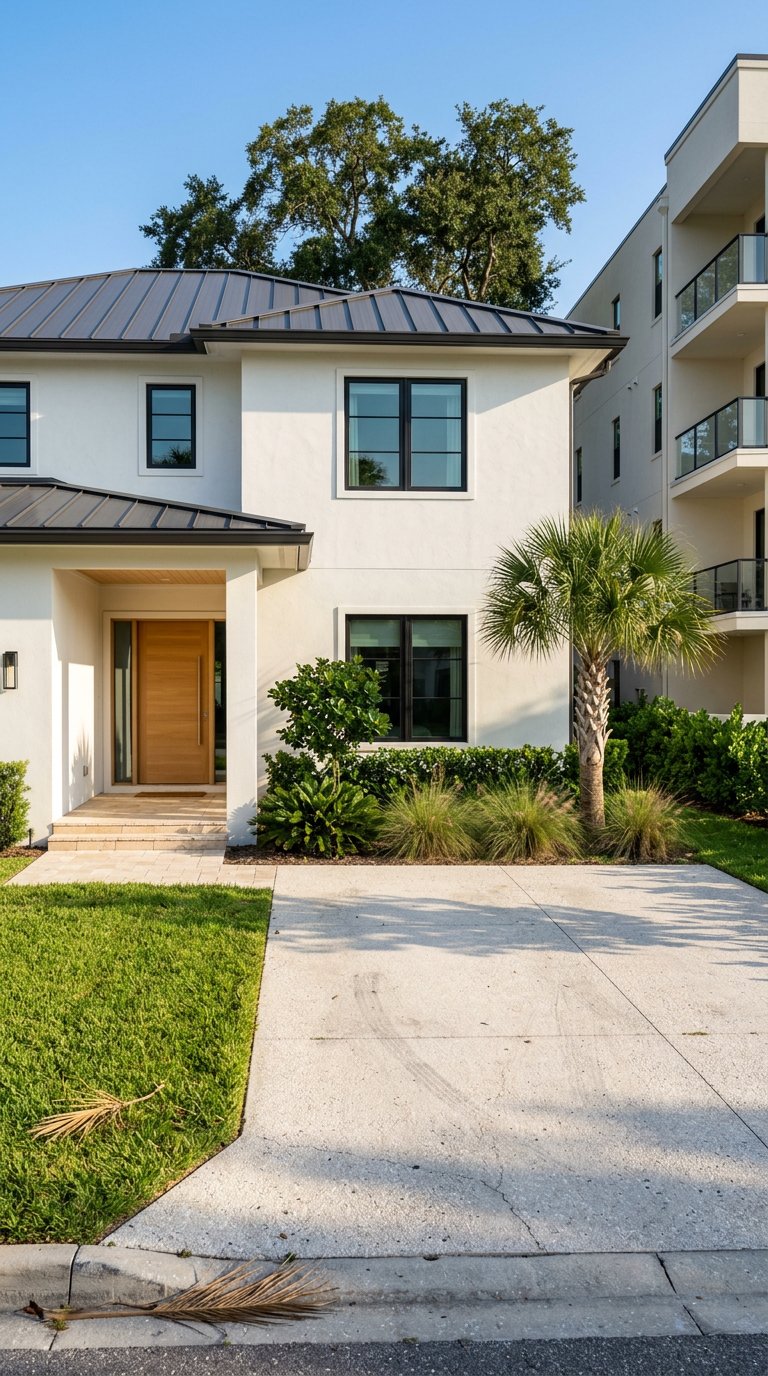
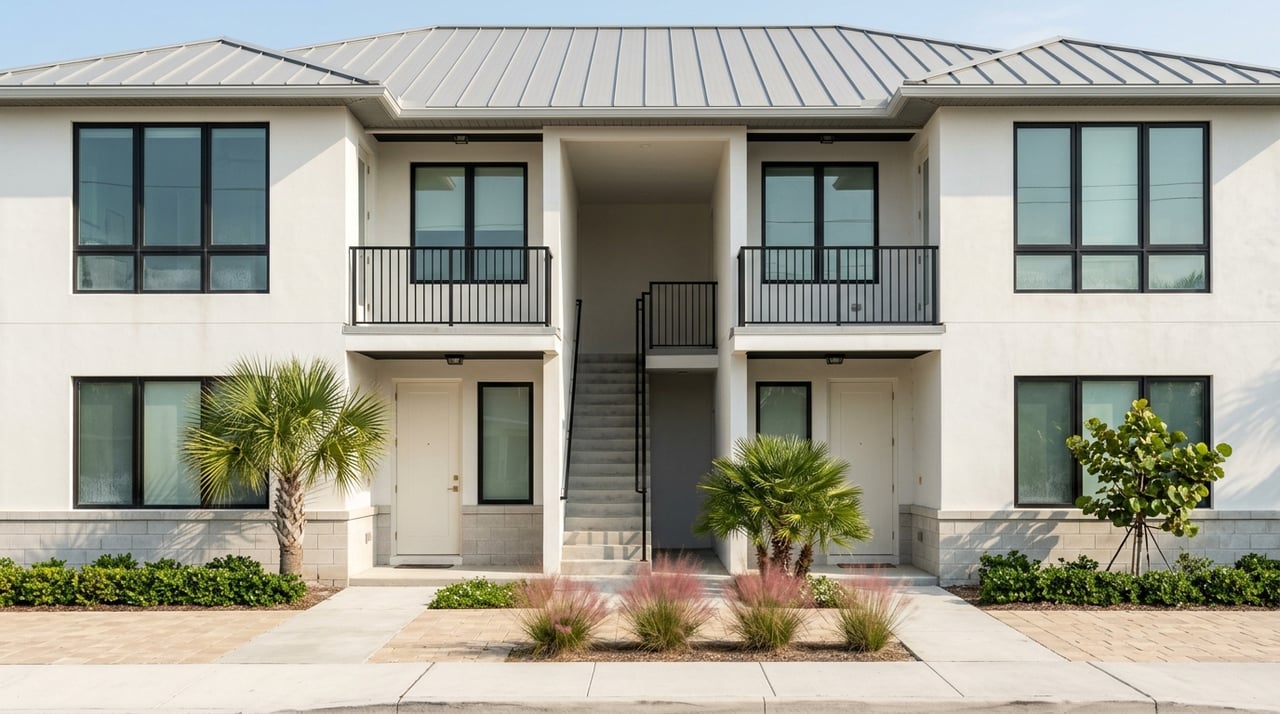
If you value privacy, yard space, and the freedom to personalize, a single-family home may fit you best. You control your exterior paint, landscaping, driveway, and most outdoor systems, subject to any HOA or city rules. Many Dunedin blocks feature classic bungalows and newer cottage infill that keep you close to Main Street while offering a true neighborhood feel. City planning documents show these character areas just north and east of downtown.
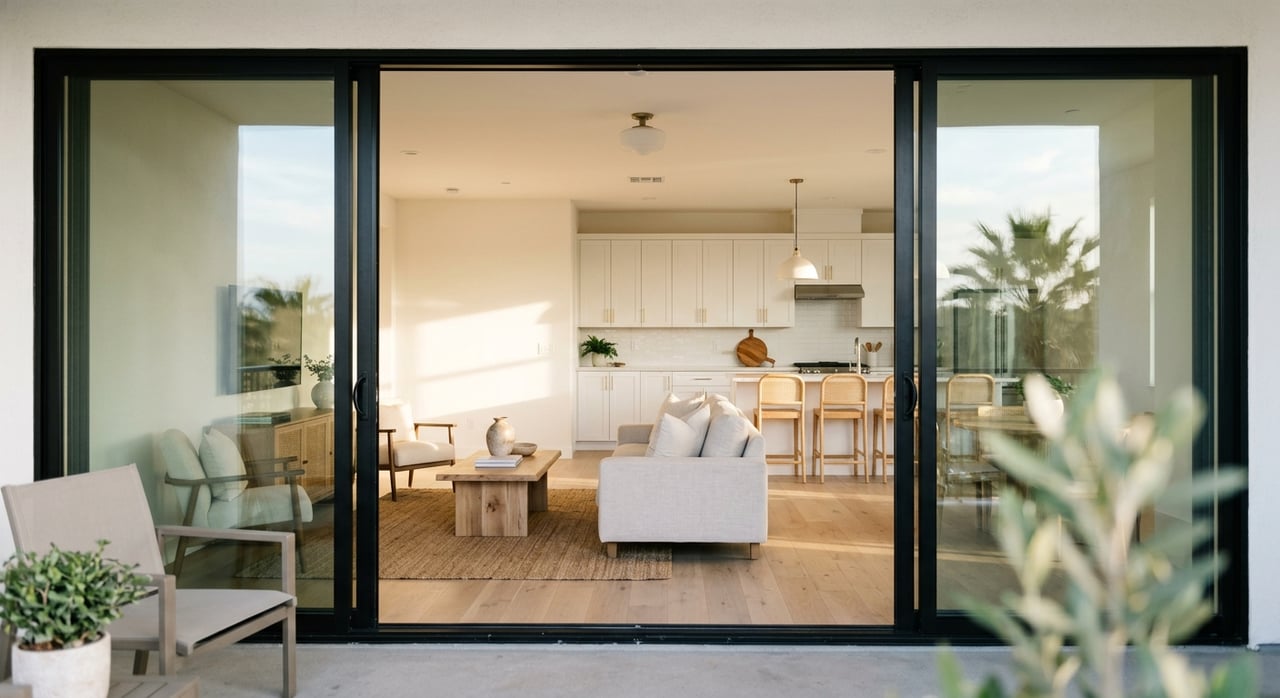
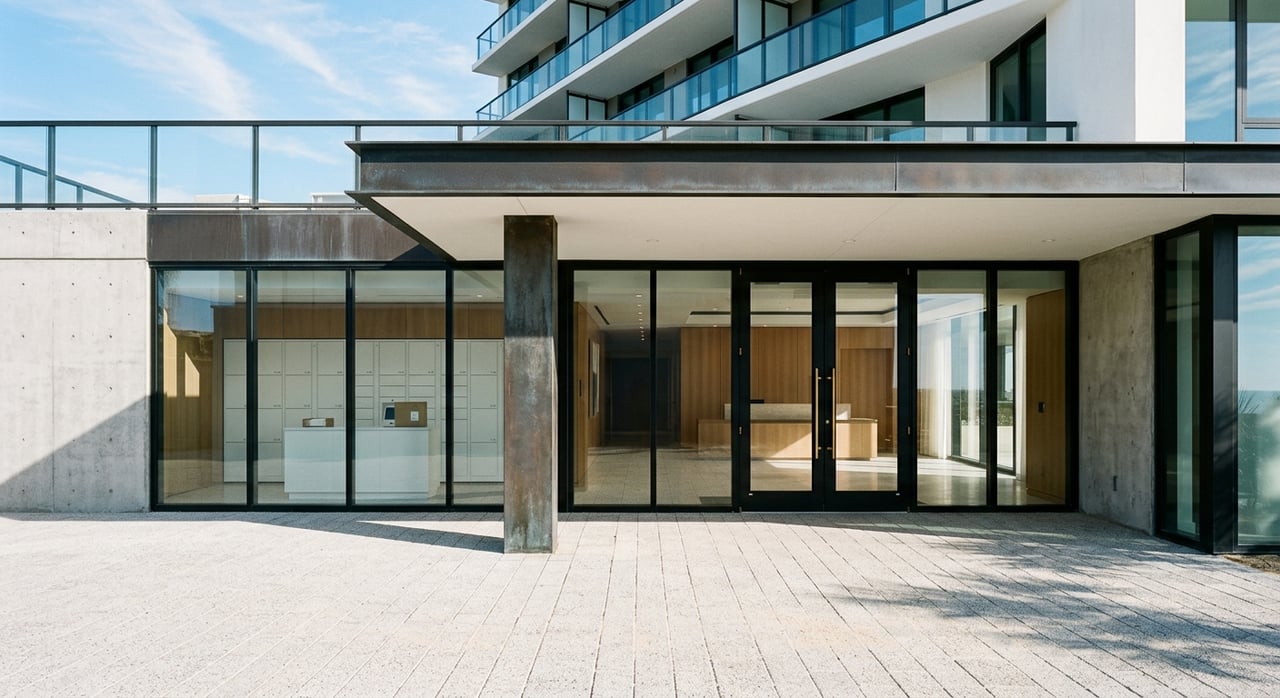
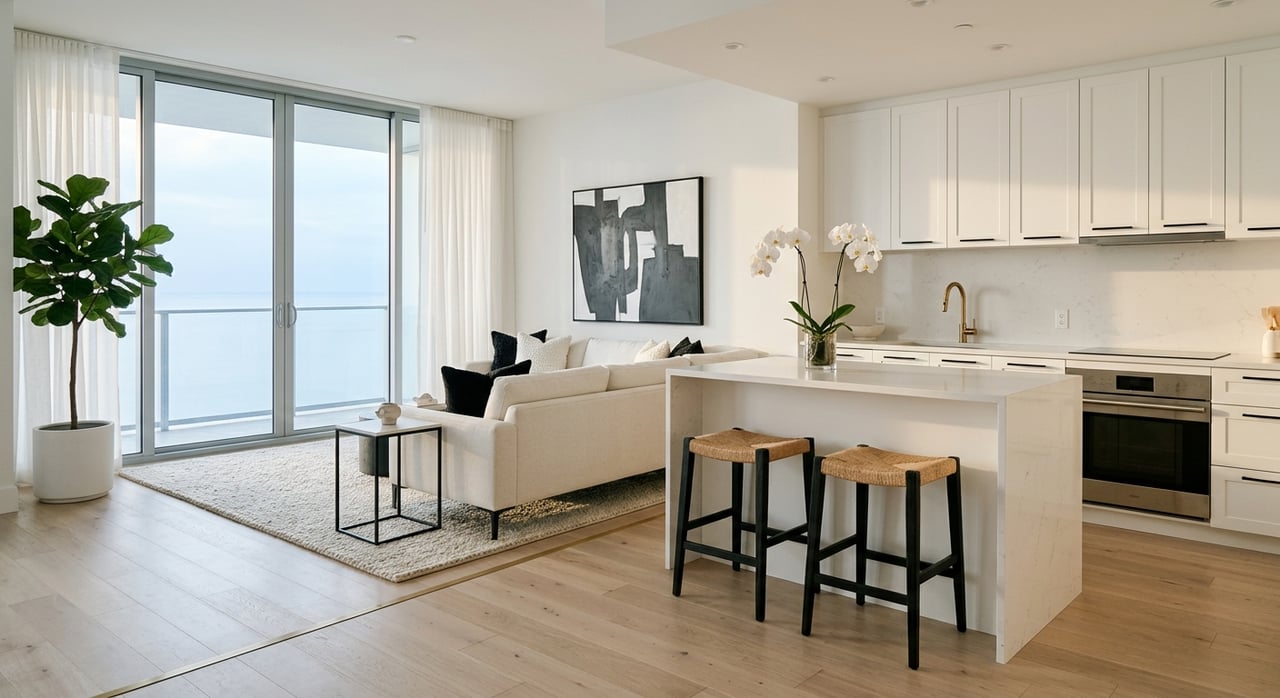
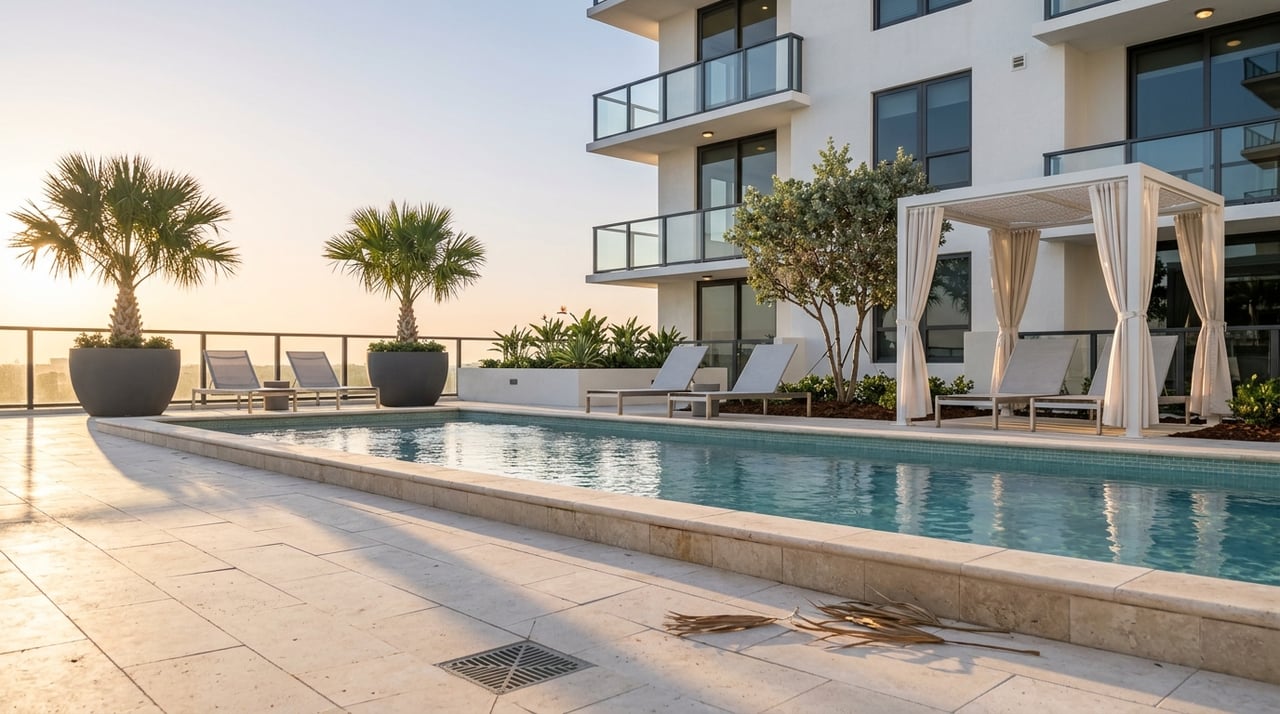
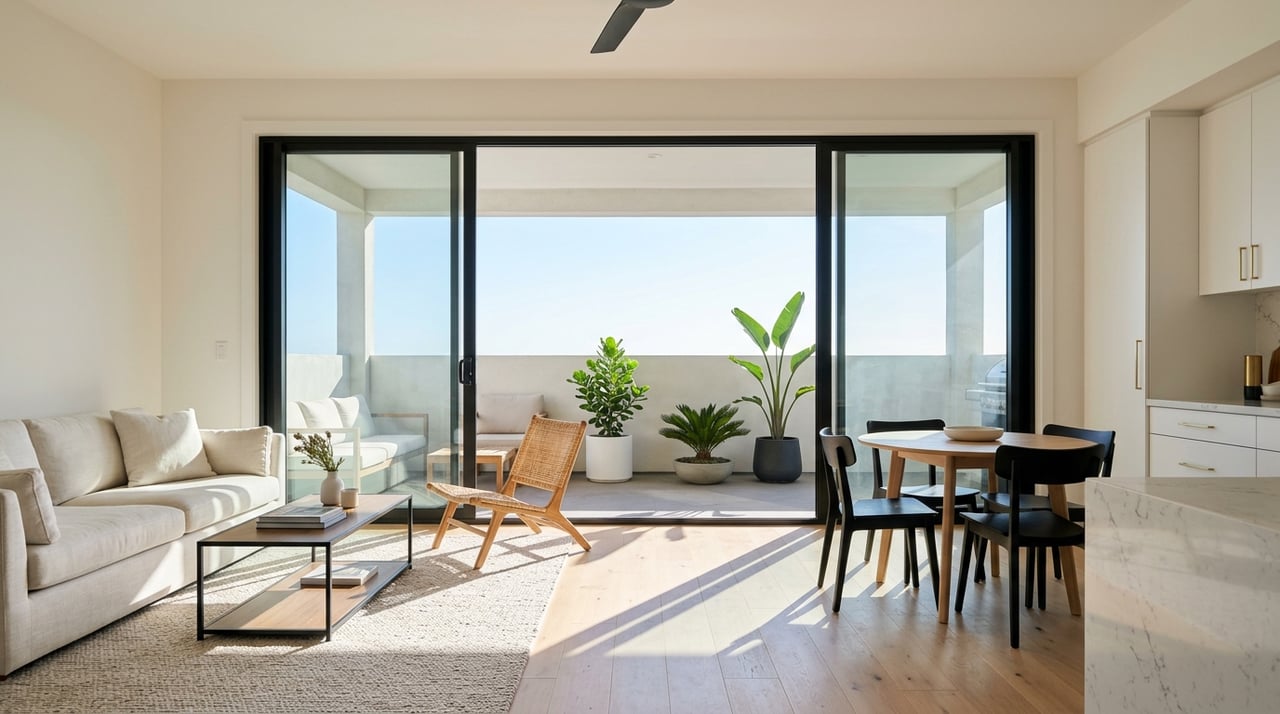
If you want low exterior maintenance and walkability to shops, dining, and the water, a condo can be ideal. You trade some control over exterior changes for a simpler routine and access to amenities like pools or gyms. Buildings near the Dunedin Marina, Bayshore/Edgewater, and the Causeway cluster amenities and views, which many buyers prioritize for a lock-and-leave lifestyle.
Condo dues typically fund the building’s exterior maintenance, roof, common-area utilities, landscaping, management, and master insurance, plus reserves for large projects. Fees vary widely by age, height, and amenities. Mid-range complexes often sit in the low-to-mid hundreds per month, while amenity-heavy or waterfront high-rises can exceed $1,000. For a line-by-line view of common inclusions and reserves, review an association budget and a plain-language explainer on typical HOA components like reserves and master insurance. A helpful overview of HOA fee components is available in this guide to what HOA fees often include.
With a single-family home, you skip monthly condo dues but budget for yard service, roof and exterior painting, pool care, pest control, and repairs. Over several years, your direct maintenance may be higher, but you control the timing and vendors. Compare apples to apples: condo dues plus HO-6 insurance and unit utilities versus a home’s maintenance, HO-3 insurance, and services.
Condo buildings carry a master policy for common elements and building structure. As a unit owner, you buy an HO-6 policy that covers your interior (walls-in), personal property, liability, and loss assessments. The Florida Office of Insurance Regulation explains how the master policy and unit-owner policy divide responsibilities and what interiors you likely need to insure yourself. Review the state’s overview of homeowners and condo insurance basics and compare coverage with the Florida CFO’s consumer toolkit.
Standard homeowners and condo policies usually exclude flood. If your address sits in a FEMA Special Flood Hazard Area or your lender requires it, you will need separate flood insurance. Dunedin participates in FEMA’s Community Rating System, which can lower flood premiums for residents. Check your exact address using the city’s Flood Awareness resources and Pinellas County’s flood map service center, then ask for quotes from both NFIP and private carriers.
Florida now requires “milestone” structural inspections and Structural Integrity Reserve Studies (SIRS) for many buildings three stories or taller. SIRS items cannot be waived in budgets after key dates, which has increased dues and special assessments in some communities. Before you fall in love with a condo, ask about the building’s inspection status, reserve funding, and any planned assessments. For a clear summary of the law’s scope and timelines, review this explainer on Florida’s milestone and SIRS requirements.
Conventional lenders apply project-level standards to condos. If a project is “warrantable,” it may qualify for standard terms. If not, you could face higher down payments, different interest rates, or limited lender choices. Ask your lender to check Fannie Mae’s Condo Project Manager tool early in your search.
Lenders pay close attention to inspection results and reserve adequacy in condo budgets. Buildings with large deferred repairs or inadequate reserves may face financing hurdles, which can also affect resale speed and value. Stay ahead of surprises by requesting inspection and reserve documentation during your diligence period. Fannie Mae’s project standards guidance outlines the information lenders often review.
If you plan to host short-term rentals, Dunedin requires registration, a Certificate of Compliance, a local Responsible Party who can respond within two hours, proof of liability insurance, and inspections. Your association may have stricter rules. Read the city’s short-term vacation rental ordinance and confirm building policy before you buy.
Ask yourself what matters most, then run the numbers with your lender and agent.
Choose a single-family home if you want:
Choose a condo if you want:
Build a true monthly cost comparison:
For any condo you’re serious about, request these documents:
If you’re leaning condo, confirm flood zone, dues, reserves, and financing early. If you’re leaning single-family, verify maintenance needs, wind and flood insurance costs, and any HOA rules. Either way, a clear, line-by-line budget and a quick check on Dunedin’s local rules will help you choose with confidence.
Ready to compare specific homes and buildings in Dunedin? Reach out to Rosie Perez to line up on-your-terms tours, run true monthly cost comparisons, and get local guidance on flood, insurance, and association documents.
We pride ourselves in providing personalized solutions that bring our clients closer to their dream properties and enhance their long-term wealth.