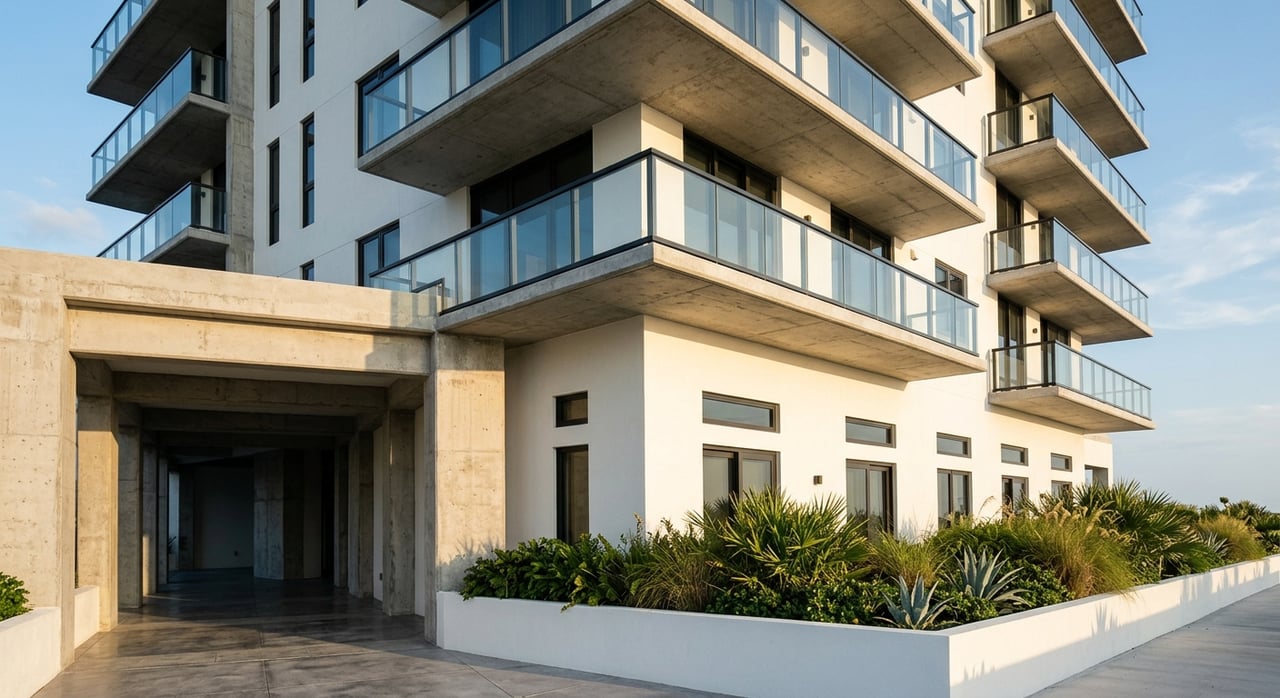
What To Know Before Buying A Clearwater Beach Condo
June 4, 2026
June 4, 2026
Thinking about buying a condo on Clearwater Beach? The view may be easy to fall in love with, but the right purchase decision usually comes down to what the condo association maintains, how the building is funded, and what insurance and assessments will add to your monthly cost. If you want fewer surprises and more confidence before you close, this guide will walk you through the key details to review. Let’s dive in.
One of the biggest mistakes condo buyers make is assuming every part of the property works the same way from building to building. In Florida condos, the declaration controls what is considered part of your unit, what counts as a common element, and what the association is responsible for maintaining.
That matters on Clearwater Beach, where features like balconies, parking spaces, storage areas, and hurricane protection can affect both your enjoyment of the property and your future costs. In one building, a balcony may be maintained by the association. In another, the maintenance responsibility may be assigned differently.
Before you make an offer, review how the declaration handles:
You should also understand whether the board can approve or require future upgrades. Florida law also limits changes that could affect the safety or soundness of property the association must maintain, so renovation plans should always be checked against the condo documents first.
For a resale condo in Florida, document review is not just a formality. It is one of the most important parts of your due diligence.
Florida law requires the seller to provide key condo documents to a resale buyer. These include the declaration, articles of incorporation, bylaws and rules, the annual financial statement and budget, and the FAQ document. When applicable, buyers must also receive the milestone inspection summary, the most recent structural integrity reserve study, and the turnover inspection report.
This is especially important in coastal buildings, where building condition, reserve planning, and future repairs can directly affect your ownership costs. You are also given a 7-day buyer voidability period after receiving the required documents, which gives you time to review what you are buying into.
When you review a Clearwater Beach condo, do not stop at the monthly association fee. Dig into the records that help explain how the building is run and whether major expenses may be coming.
The association’s official records must include items such as:
These records can help you spot patterns that matter. For example, repeated discussion of repairs, incomplete reserve funding, or ongoing project planning may signal future costs that are not obvious from the listing sheet alone.
Clear questions can save you from expensive surprises later. When you are considering a Clearwater Beach condo, ask questions that connect directly to the documents and the building’s current condition.
Useful questions include:
These questions are practical, not picky. In a coastal condo market, they are part of buying smart.
The required condo documents give you valuable building-level information, but they do not replace a separate inspection of the unit itself. That distinction matters.
A milestone inspection and a structural integrity reserve study focus on the building as a whole. They do not tell you everything about the condition of the specific unit you are buying, including interior systems, finishes, or unit-specific issues.
A safer purchase structure is one that gives you time to:
This is one area where a clear process matters. The right guidance can help you line up your review periods so you are not making a rushed decision.
For many Clearwater Beach condo buyers, insurance is the hidden cost center. The association’s master policy is only part of the picture.
Florida consumer guidance explains that a condo unit-owner policy typically covers your personal property, certain building items not covered by the association’s policy, and personal liability. That same guidance notes that the master policy usually does not cover personal property or many interior items inside the unit.
Items often not covered by the association’s master policy may include:
That means your personal insurance review should happen early, not a few days before closing. You want to know what your own policy needs to cover and what that coverage will cost.
Flood insurance is separate from standard homeowners coverage. FEMA states that most homeowners policies do not cover flood damage, and Florida consumer guidance notes that flood coverage may be purchased through the National Flood Insurance Program or private insurers.
For a Clearwater Beach condo, flood-zone verification should be part of your due diligence. Timing matters too, since NFIP policies usually have a 30-day waiting period unless the policy is purchased at the same time as the home purchase or refinance.
Windstorm coverage also deserves close attention in coastal Florida. Florida consumer guidance says windstorm coverage is generally included unless it is expressly excluded, and many lenders require it when there is a mortgage.
Another detail buyers often miss is ordinance-or-law coverage. Florida consumer guidance notes that condo unit-owner policies do not automatically include it, so it is worth confirming whether that protection is included or added by endorsement.
Special costs can flow through the association to unit owners, which is why loss assessment coverage matters. Florida consumer guidance says unit-owner policies must provide at least $2,000 of loss-assessment coverage, with a deductible that may not exceed $250.
This is not the kind of line item most buyers think about first, but it can become important if the association passes along certain covered losses. It is one more reason to review your insurance options with care before you close.
A condo’s monthly fee only tells part of the story. You also need to understand how well the building is funding future repairs and whether large projects may trigger special assessments.
Florida law requires a structural integrity reserve study at least every 10 years for each residential condominium building that is three habitable stories or higher. The study must address key items such as the roof, structure, fireproofing, plumbing, electrical systems, waterproofing and exterior painting, and windows and exterior doors.
For existing unit-owner-controlled associations, the study generally had to be completed by December 31, 2025, unless it is being completed together with a required milestone inspection, in which case the deadline extends to December 31, 2026. For buyers, the takeaway is simple: ask whether the study is complete and review what it says.
Milestone inspections are another major factor in coastal condo ownership. Under Florida law, the first milestone inspection is generally due by the year a condo building reaches 30 years of age. For coastal buildings within 3 miles of the coastline, the first inspection is due by age 25, and then every 10 years after that.
Because Clearwater Beach is a coastal market, this timeline can be especially relevant when you are comparing older buildings. The inspection report must be delivered to the association and the local building official, and the summary may be part of the resale package you receive.
An older beachfront or near-beach building is not automatically a bad choice. It simply means your document review needs to be more thorough.
If you are getting serious about a specific condo, the estoppel certificate is an important closing document. In Florida, it should identify regular assessments, special assessments, upcoming amounts, fees, and the association’s insurance contact information.
Florida law also states that the specific purpose of a special assessment must be included in written notice, and funds collected can only be used for that stated purpose. This helps you understand what charges exist now and whether additional amounts are already in motion.
A unit owner is liable for assessments while owning the unit and may also be jointly and severally liable for unpaid assessments that came due before title transfer. That is one more reason to make sure this part of the file is reviewed carefully before closing.
Buying a Clearwater Beach condo is about more than choosing the right floor plan or water view. It is about understanding the building, the documents, the insurance structure, and the real monthly carrying cost.
A strong buying strategy usually includes these steps:
When you slow the process down enough to review these details, you give yourself a better chance of buying with confidence. That is especially important in a market like Clearwater Beach, where coastal lifestyle and coastal ownership costs go hand in hand.
If you are weighing condo options on Clearwater Beach and want calm, clear guidance through the process, Rosie Perez can help you evaluate buildings, review the right questions, and move forward with confidence.





We pride ourselves in providing personalized solutions that bring our clients closer to their dream properties and enhance their long-term wealth.