
How to Sell a Home in Dunedin With Stronger Prep
June 18, 2026
June 18, 2026
If your Dunedin home is going to make a strong first impression, it usually needs more than a yard sign and a quick tidy-up. In a market where homes often take several weeks to sell and buyers are comparing listings closely, the details matter. The good news is that you do not need to guess where to focus. With the right prep, paperwork, and presentation, you can bring your home to market with more confidence. Let’s dive in.
Dunedin sits in a market where pricing and timing both matter. Recent public market trackers place local values in a general range around the high $300,000s to low $400,000s, with reported median or typical values near $395,000 to $419,000 depending on the source. Days on market also vary by source, but the common theme is clear: sellers should expect the process to take time, not assume a home will sell instantly.
That matters because buyers have time to compare. Redfin describes Dunedin as somewhat competitive, with average homes selling about 4% below list price and some receiving multiple offers. In practical terms, that means your home needs to show well from day one, especially if you want to protect pricing and reduce avoidable negotiation pressure.
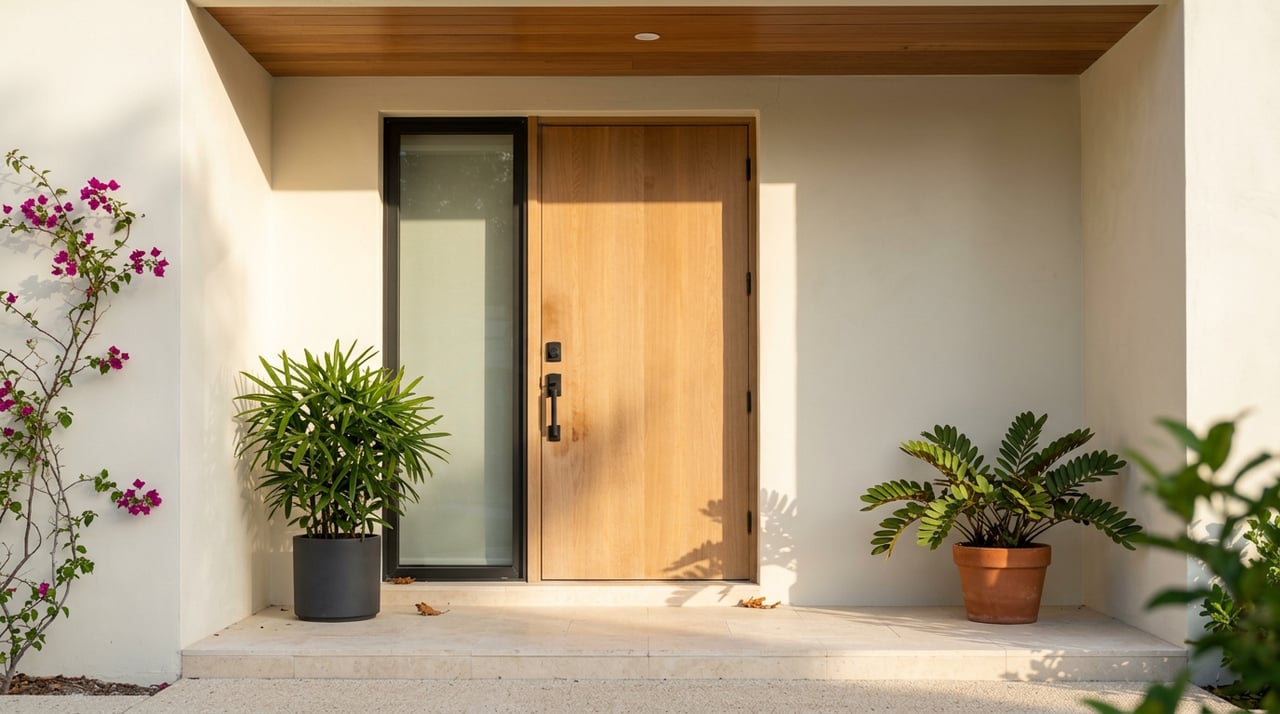
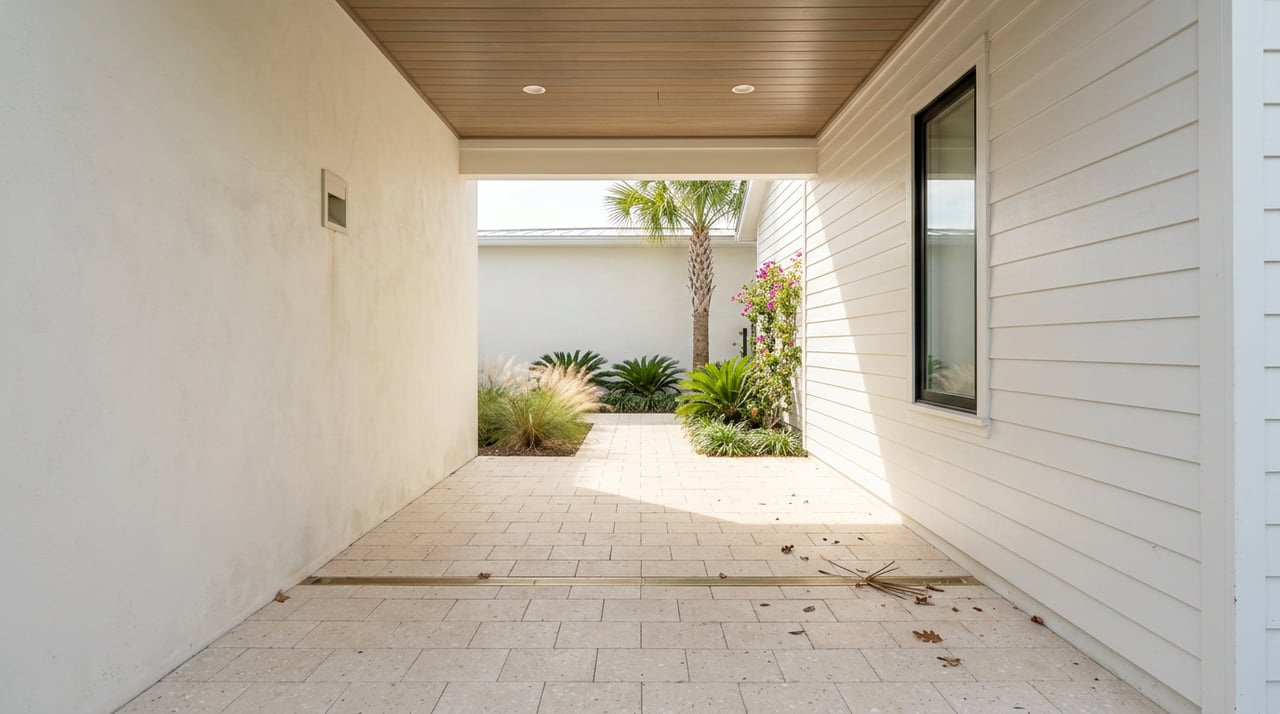
Before you think about major upgrades, focus on the prep steps that are most visible to buyers. According to the National Association of Realtors’ 2025 staging survey, the most common seller improvements agents recommend are decluttering, whole-home cleaning, and curb appeal improvements. Paint touch-ups, landscaping, minor repairs, carpet cleaning, and depersonalizing also rank high.
These basics work because they help buyers focus on the home itself. Clean rooms feel larger. Clear surfaces make spaces easier to understand. A tidy exterior helps your property feel cared for before a buyer even walks through the front door.
If you are deciding where to start, begin with the areas that shape first impressions fast:
You do not need every room to look like a magazine spread. You do want the home to feel clean, calm, and easy to picture as someone’s next home.
Not every pre-sale project deserves the same level of time or money. In many cases, quick cosmetic updates can improve presentation without slowing your timeline. In Dunedin, painting and ordinary minor repairs generally do not require a permit, which can make them easier to complete before listing.
Larger improvements are different. The City of Dunedin says permits are required for many types of residential work, including additions, renovations, reroofing, door or window replacement, garage door replacement, fences, pools, decks and patios, electrical service changes, water heater replacements, AC replacements, and solar systems. If you are thinking about tackling one of these projects before listing, make sure the timeline and documentation make sense for your goals.
In many cases, the best move is not starting a big last-minute project. It may be more valuable to organize the records for work you have already completed. Buyers and their agents often want proof that major updates were completed properly, especially for roofs, windows, HVAC systems, and electrical work.
A smart pre-listing file can include:
This kind of preparation can make due diligence smoother and help answer buyer questions quickly.
A pre-listing inspection is optional, but it can be a useful strategy if you want fewer surprises. The National Association of Realtors notes that some sellers choose to inspect before listing so they can identify problems early, decide what to repair, and reduce the risk of contract issues later.
That early information can give you options. You may choose to repair certain items before going live, disclose them clearly, or price with those conditions in mind. Either way, you are making decisions with more clarity instead of reacting under deadline pressure after a buyer is already under contract.
Presentation matters, but it should never be used to cover up defects. In Florida, sellers of residential property have an affirmative duty to disclose known material defects that are not readily observable to the buyer. The Florida Bar explains that this duty applies even if a property is being sold as is.
That is why preparation should be honest as well as polished. Fresh paint, styled rooms, and professional photography can absolutely help your home stand out. They should support a strong sales strategy, not distract from moisture issues, roof concerns, structural problems, or electrical or mechanical defects.
In Dunedin, flood details often come up early in the selling process. Pinellas County says everyone lives in a flood zone of some kind, and flood zones are different from evacuation zones. The county also notes that flood insurance is required for federally backed mortgages in high-risk flood zones.
For sellers, the key takeaway is simple: be ready with accurate flood-related information. Buyers, lenders, and insurers may all ask questions, and new flood insurance policies generally take 30 days to take effect. That makes early clarity especially helpful.
If available, have these items ready before your home hits the market:
Pinellas County says an elevation certificate is prepared by a licensed surveyor and includes FEMA flood map information such as flood zone, flood elevation, and building-ground details. If your home has one, it can help buyers understand the property more quickly.
For many Florida homes, buyers also think ahead about insurance underwriting. State insurance guidance explains that a four-point inspection focuses on the roof, plumbing, electrical system, and HVAC system. It also notes that wind-mitigation features can lead to premium discounts, depending on the home’s construction and improvements.
That makes certain records especially useful during the selling process. If you have roof age documentation, repair receipts, replacement records, or paperwork tied to storm-hardening improvements, keep them easy to access. These documents can help support buyer confidence and answer practical ownership-cost questions.
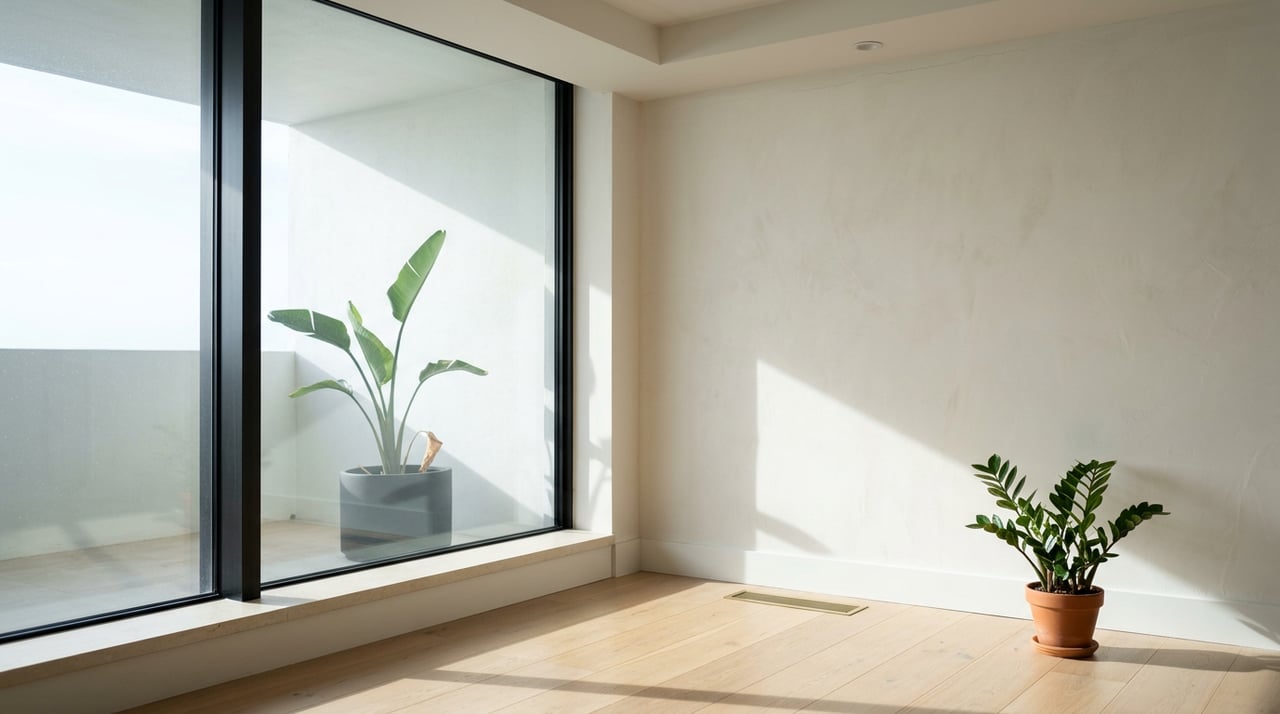
Staging is not just about decoration. It is about helping buyers understand space, flow, and lifestyle more quickly. The National Association of Realtors’ 2025 staging report found that 83% of buyers’ agents said staging makes it easier for buyers to visualize a property as a future home.
The same report found that the most important rooms to stage are the living room, primary bedroom, and kitchen. If your budget is limited, start there. Those spaces tend to shape how buyers remember the home after a showing.
Thoughtful staging can help your home:
Not every listing needs full-service staging. But almost every listing benefits from intentional furniture placement, cleaner surfaces, lighter visual styling, and a plan for strong photography.
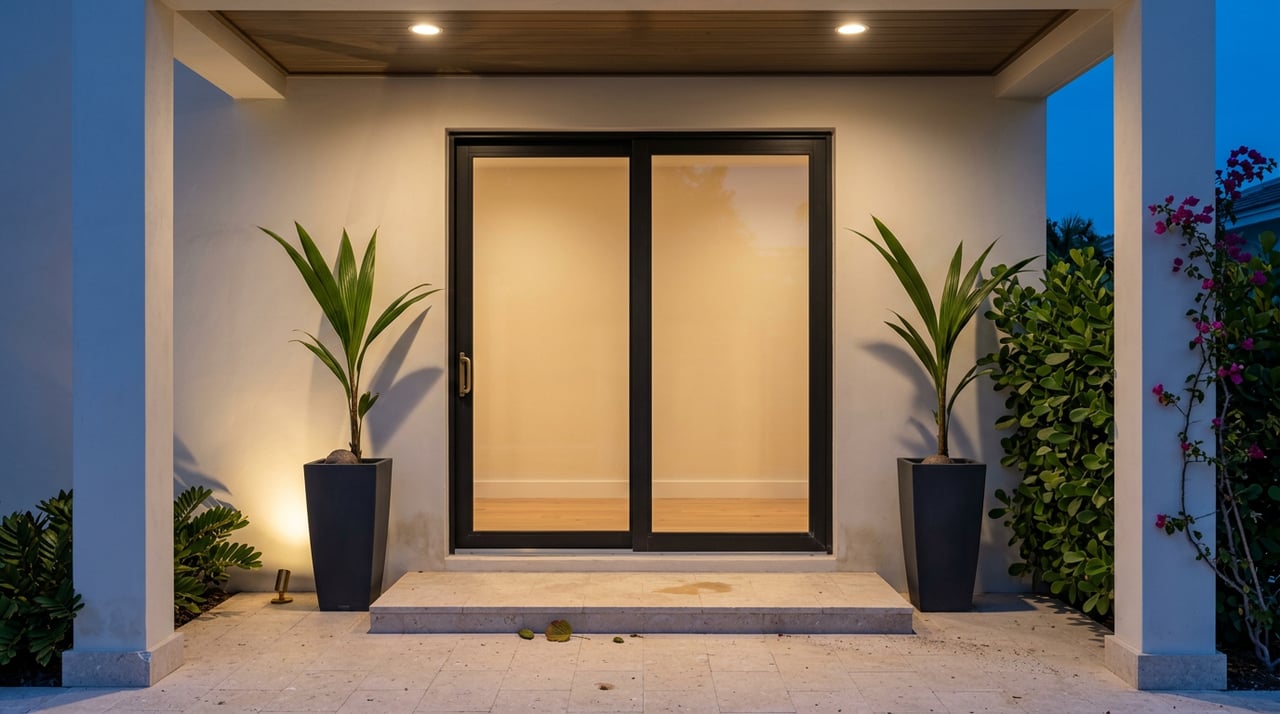
In a market where buyers compare listings online first, media quality matters. NAR’s 2025 staging report found that buyers’ agents rated photos as especially important, followed by videos and virtual tours. On the seller side, agents also ranked photos highest, with videos and traditional staging adding value.
This supports a simple idea: your online presentation is part of your pricing and positioning strategy. If buyers scroll past your listing because the photos feel dark, cluttered, or incomplete, you may never get the chance to make a better impression in person.
At Ocean Breeze Luxury Realty, that is why a marketing-forward approach matters. Concierge-style support such as home inspection coordination and professional listing media, including photography, twilight shoots, aerial imagery, virtual staging, and floor plans, can help your home enter the market looking polished and competitive.
Some sellers want to highlight investment or rental use as part of the listing story. If that applies to your property, be careful to stay accurate. The City of Dunedin says its GIS tools can show zoning district, land use category, and FEMA flood zone, and it notes that short-term vacation rentals are allowed only in certain zoning districts.
That means rental claims should be specific and verified. If your home may appeal to investor-minded buyers, it is better to confirm zoning and use details up front than to make broad assumptions in the marketing.
A strong Dunedin listing usually comes together best when you think in layers: appearance, condition, documentation, and media. When those pieces align, your home can hit the market with fewer loose ends and a stronger first impression.
Here is a simple checklist to guide your prep:
When your home is clean, well-documented, and professionally presented, buyers have less uncertainty to price into their offers. That does not guarantee a certain result, but it can improve how your listing is perceived from the beginning. In a market like Dunedin, where homes often spend several weeks on the market and buyers compare options carefully, that kind of preparation can make a real difference.
Selling with impact is not about doing everything. It is about doing the right things in the right order, with a clear plan for how your home will look, how it will be supported, and how it will stand out.
If you are getting ready to sell in Dunedin, Rosie Perez can help you create a clear prep plan, coordinate key listing steps, and present your home with the polished marketing it deserves.
We pride ourselves in providing personalized solutions that bring our clients closer to their dream properties and enhance their long-term wealth.